The Force Behind Your Freight
Reliable freight brokerage connecting shippers with trusted carriers across the United States.
- Shipper
- Force International
- Trusted Carrier
- MC
- 1764064
- USDOT
- 4470050
23K Trusted Carriers
-
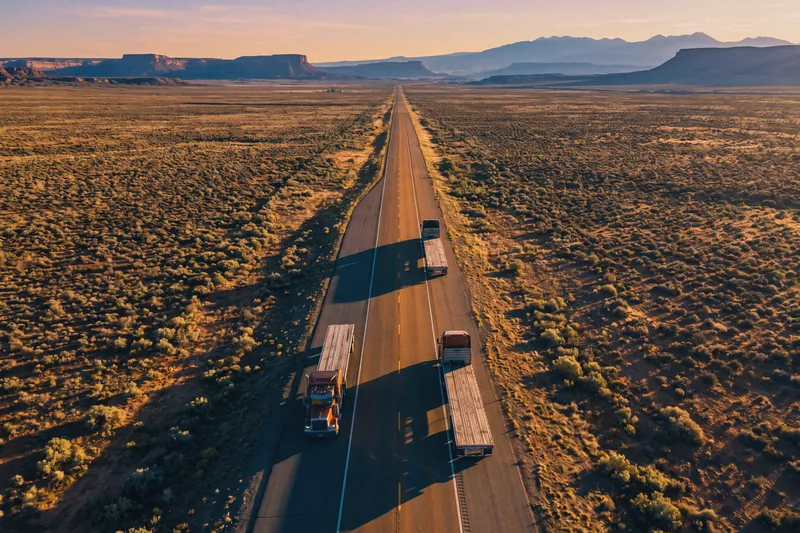
Nationwide Coverage
Freight solutions across the United States.
-
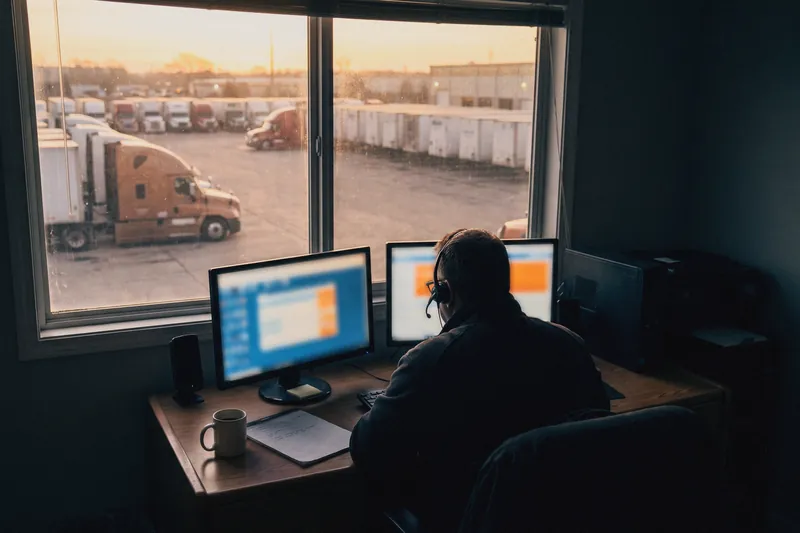
Responsive Communication
Clear communication throughout the shipping process.
-
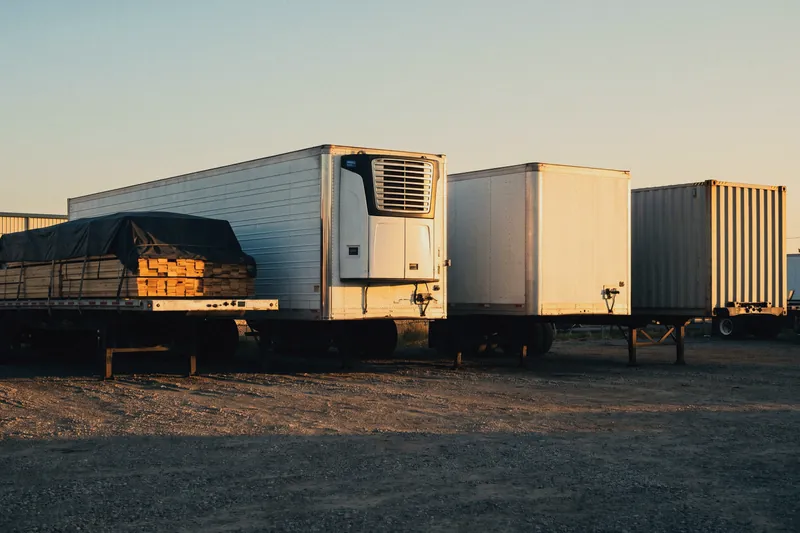
Flexible Freight Solutions
Support for different shipment types and transportation requirements.
Freight Services
The transportation modes we arrange for shippers across the United States. Select a service to see how it works.
-
One of the most common modes of freight transportation in America.
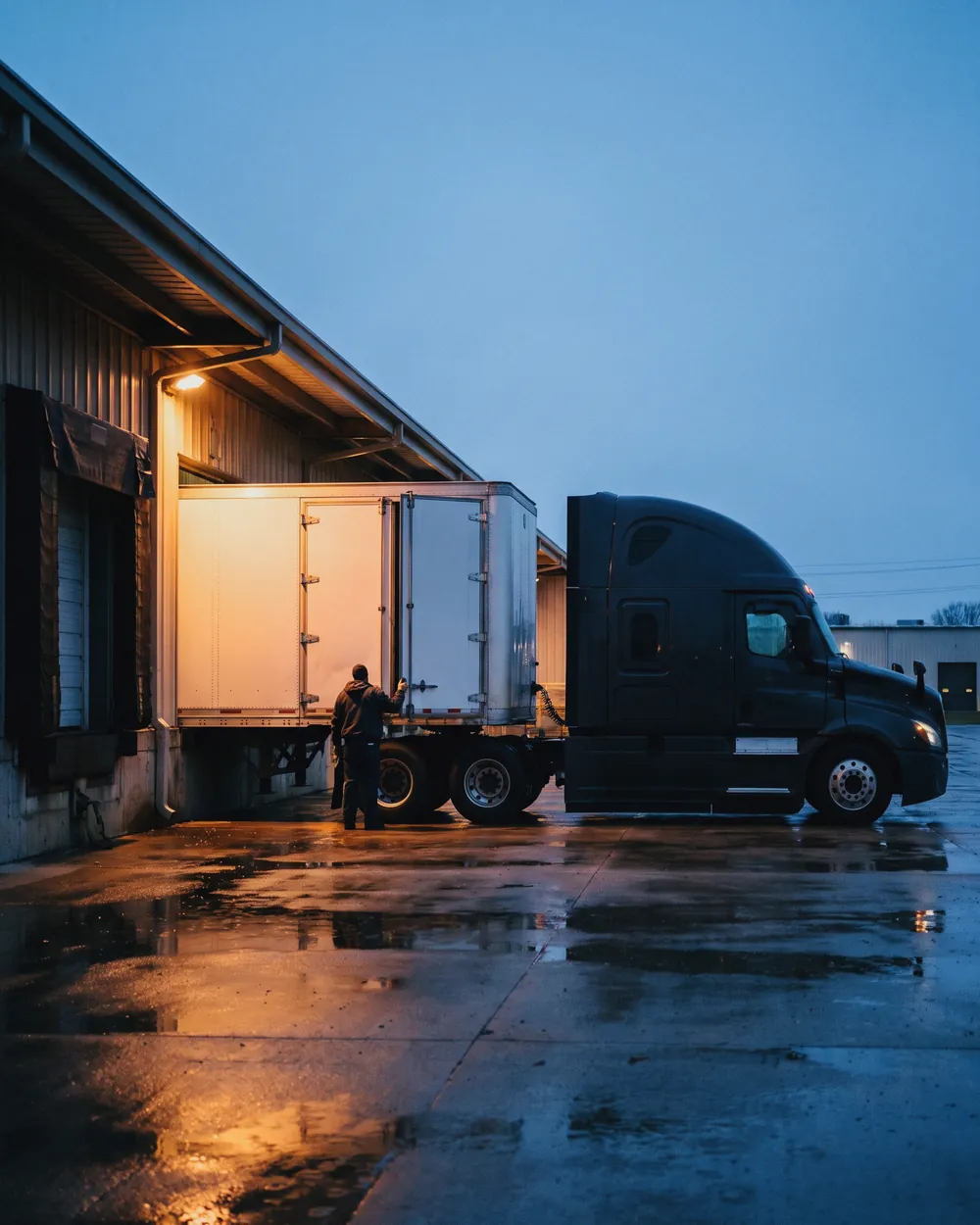
A dry van is a fully enclosed trailer, most often 53 feet long, that protects freight from weather and road debris.
It suits boxed, palletized, and packaged goods that don’t need temperature control, such as consumer products, packaged food, paper, and building materials. Freight is usually loaded and unloaded through the rear doors at a dock.
-
Best suited for cargo that can be loaded from the top, side, or rear.
A flatbed trailer is an open deck with no sides or roof, so freight can be loaded by forklift or crane from the top, sides, or rear.
It is used for cargo that is oversized, irregularly shaped, or hard to load into an enclosed trailer, such as steel, lumber, machinery, and construction materials. Loads are secured with straps or chains, and tarps are added when freight needs protection from the weather.
-
Helps keep temperature-sensitive freight within the required temperature range.
A refrigerated trailer, or reefer, is an insulated trailer with its own temperature-control unit that maintains a set temperature in transit.
It carries freight that has to stay within a specific range, such as produce, meat, dairy, frozen food, and pharmaceuticals. The trailer is usually pre-cooled to the required temperature before loading, and many units can heat as well as cool, which protects freight from freezing in cold weather.
-
Combines more than one mode of transportation to move freight.
Intermodal shipping moves freight in a container or trailer that transfers between modes of transportation, most commonly truck and rail.
A truck carries the container to a rail terminal, a train covers the long-distance portion, and another truck completes the delivery. The freight stays in the same container throughout, so it is handled less along the way, and the mode is often used on longer routes that aren’t time-critical.
-
Designed for freight that requires faster-than-usual transportation.
Expedited freight moves on a faster schedule than standard service, for shipments that can’t wait for a regular transit time.
Common approaches include team drivers, who take turns so the truck can keep moving, and vehicles dedicated to a single shipment that run directly from pickup to delivery. Equipment ranges from cargo vans and straight trucks to full tractor-trailers, depending on the size of the load.
-
Unlike traditional LTL, the freight can remain on the same truck through destination.
A partial shipment takes up only part of a trailer: more than a typical LTL shipment, but less than a full truckload.
The trailer is shared with other freight, but unlike traditional LTL, the shipment isn’t transferred between trucks at terminals along the way. It can stay on the same truck from pickup through delivery, which means less handling.
-
Best suited for shipments too large for parcel service but not large enough to fill a full truck.
Less-than-truckload (LTL) service combines smaller shipments from multiple shippers on one trailer.
Freight typically moves through a network of terminals, where it is sorted and transferred between trucks before final delivery. Pricing generally reflects the shipment’s weight, dimensions, freight class, and distance.
Why Choose FORCE
On time means on business.
We make every pickup and delivery count. FORCE connects your freight with reliable carriers and stays on top of every shipment to keep it moving on time, every time.
Less waiting. Fewer worries. More FORCE
-
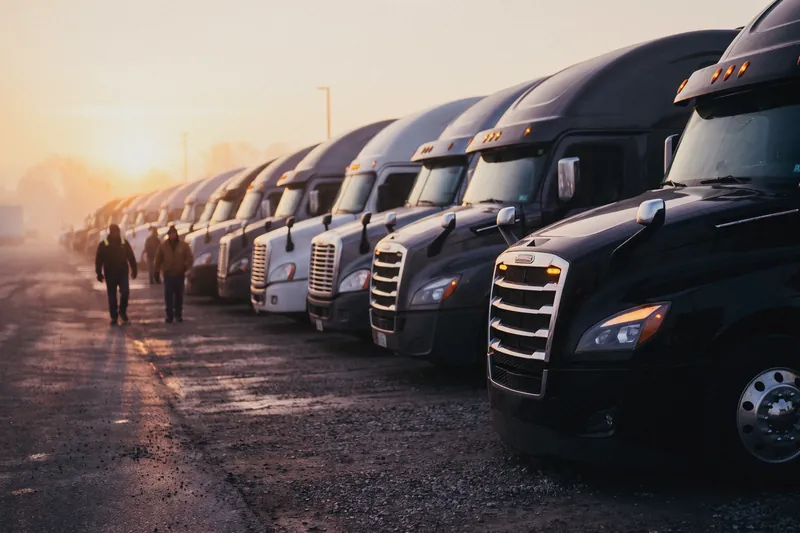
Reliable Carrier Network
We connect each shipment with a trusted carrier suited to the load.
-

Nationwide Coverage
We coordinate freight transportation throughout the United States.
-
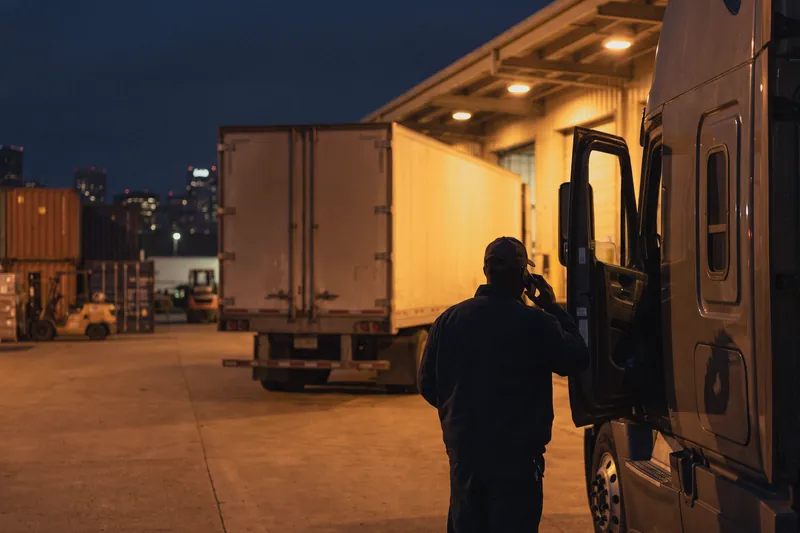
Clear Communication
You stay informed throughout the shipping process.
-
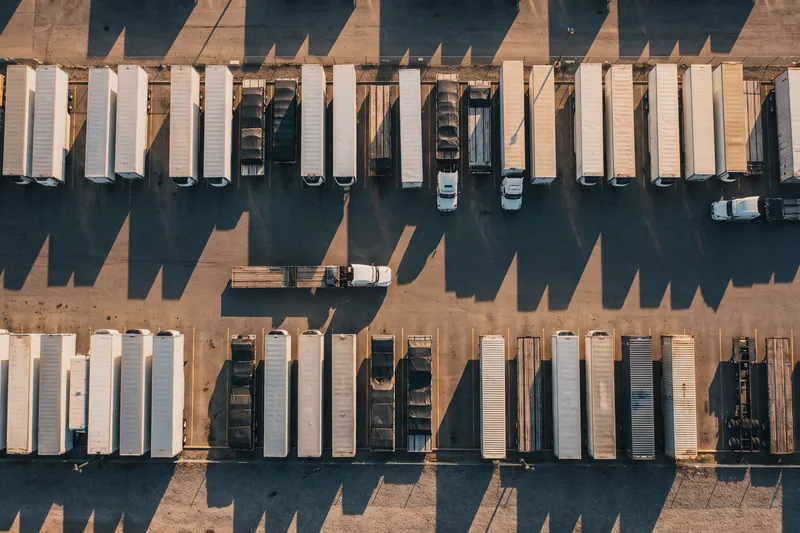
Flexible Solutions
We support different loads, routes, and transportation requirements.
Companies We Work With





Get a Freight Quote
Tell us what you’re shipping. We’ll take it from there.
Five short steps: service, pickup, delivery, shipment details, and contact.